Pickled cherry, rye
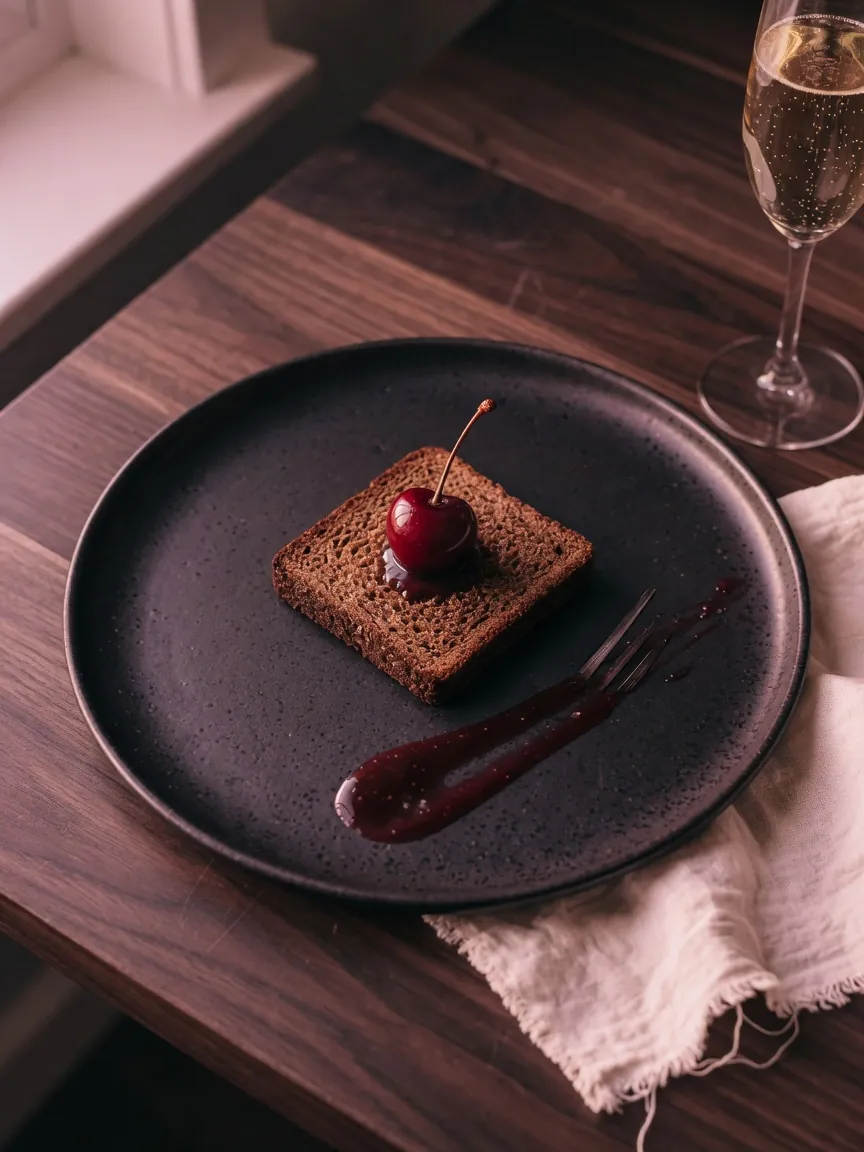
A cold first bite so the room settles before anyone has to talk about food. The cherry is sharp on purpose; the rye is there so it is still dinner, not a canapé.
A two-person team writes a seasonal tasting for the people sitting down that night. Scroll the evening. The plates move with you.
Begin the evening

A cold first bite so the room settles before anyone has to talk about food. The cherry is sharp on purpose; the rye is there so it is still dinner, not a canapé.

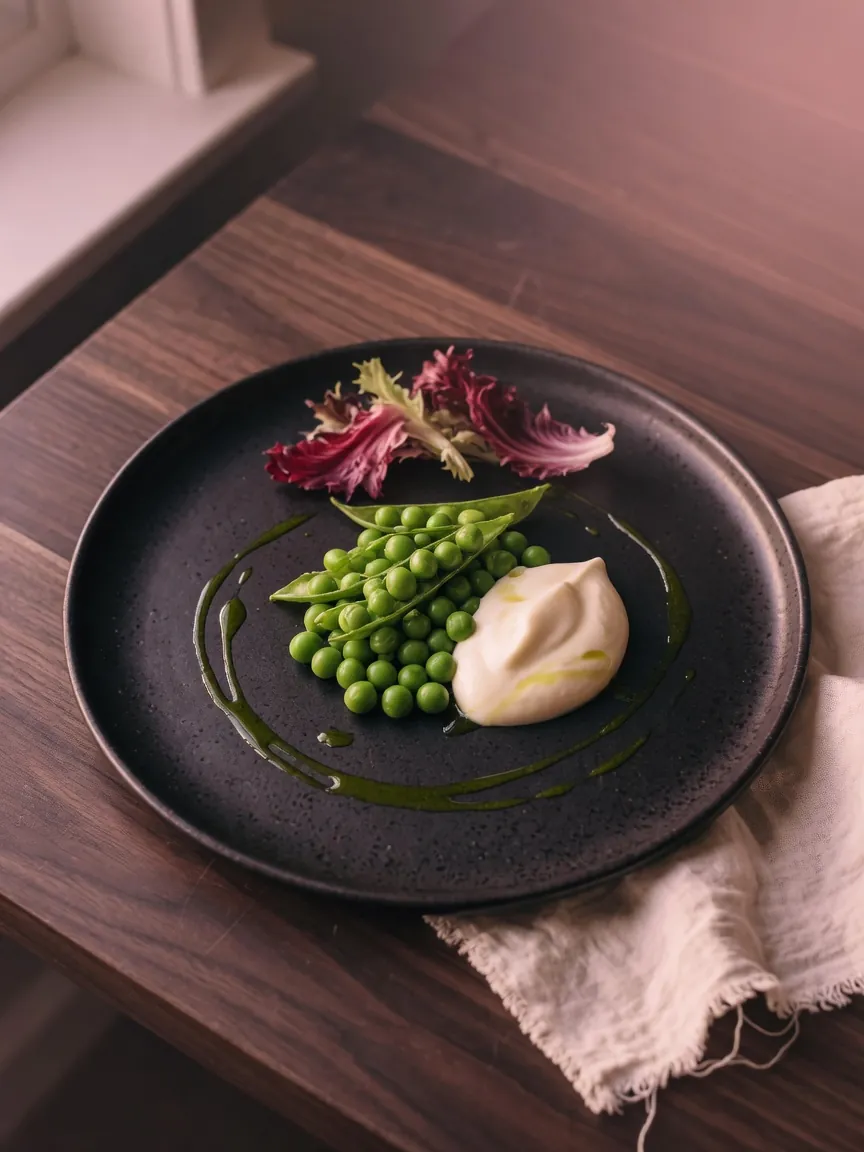
Peas cooked just enough to taste sweet, cream that has sat overnight, a little mint oil. The plate that tells you this kitchen is working from what is actually in season.

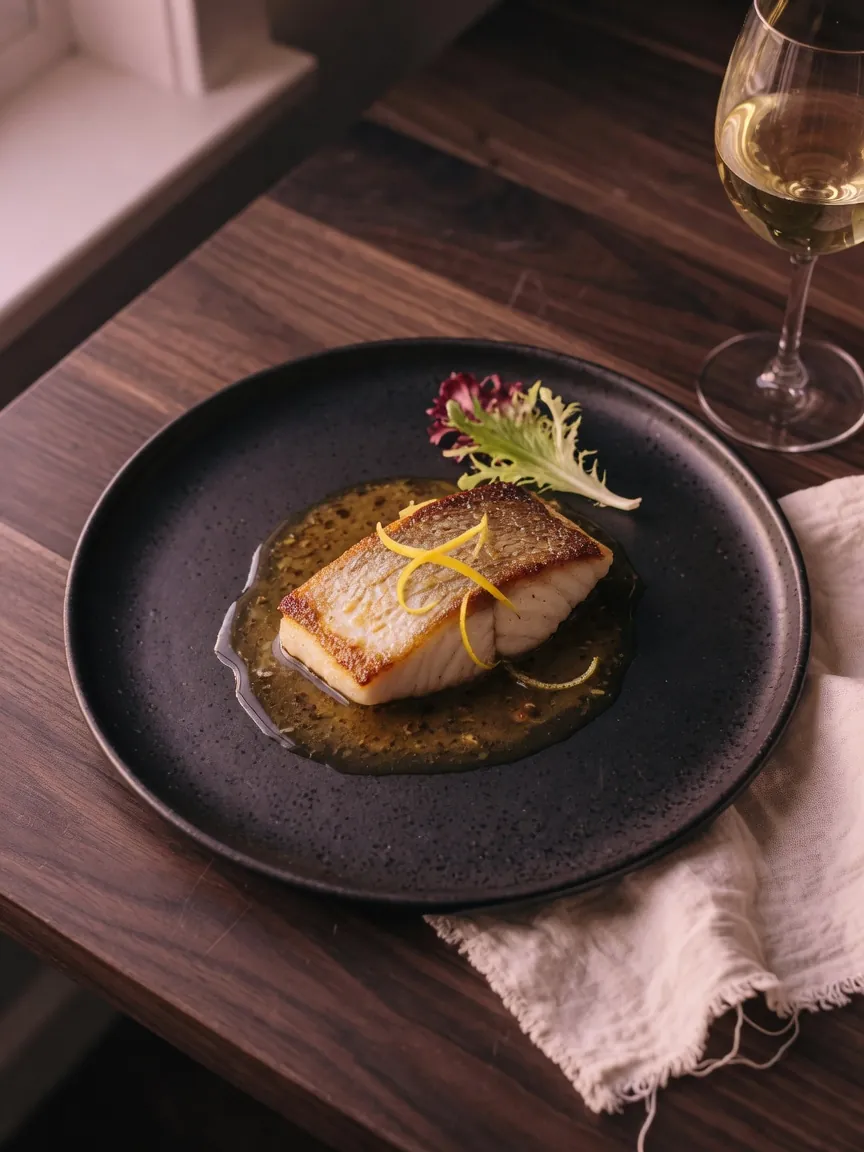
A quiet fish course so the room does not peak too early. Brown butter, a bitter leaf, lemon. The fish changes with the boats; the construction does not.
The plate the evening turns on. Duck cooked on the bone, a dark cherry glaze, something bitter so it does not read as sweet. This is the course people remember the next day.

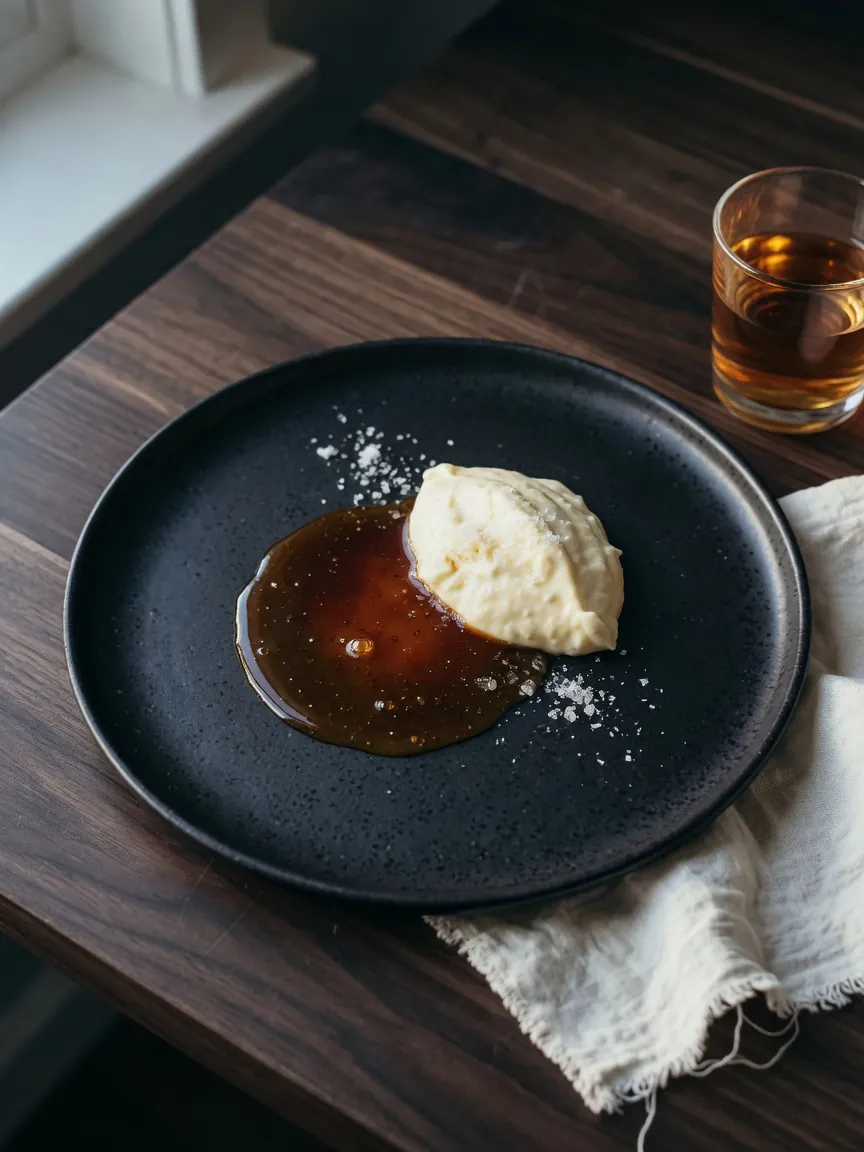
A last plate that is not a pastry case. Honey taken just past caramel, the same cultured cream as the peas, a little salt. Coffee is optional; this is not.
One sitting. One number. The run is written after we know the date and the chairs — not pulled from a standing menu you have to pick through.
When, and how many. Everything else is written after that.
Someone sees the oven and where the plates live. If the room cannot host the run, we say so before anyone shops.
Food and service in one number. Wine can be ours or yours.